Dissecting Competitor Traffic: From Manual Analysis to Automated Replication

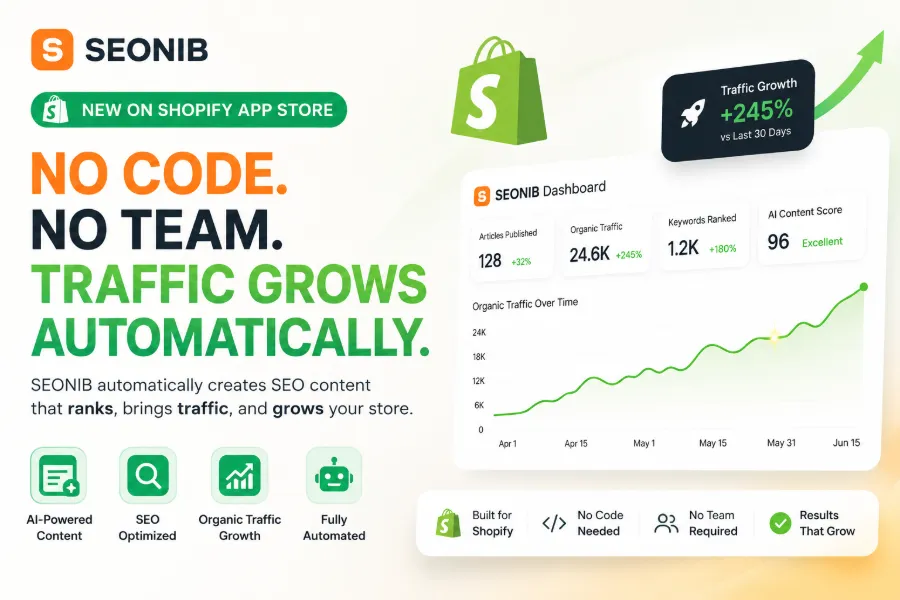
In the past, to figure out where my competitors’ traffic came from, I spent two to three days each month glued to SimilarWeb and Excel, manually copying keywords, screenshotting channel percentages, and then grinding out a few articles hoping for luck. The scariest part was the month‑end review: even after copying the rival’s keywords, the traffic stayed flat. Then I discovered a smarter path: first use SimilarWeb to quickly extract the competitor’s traffic structure, then use automation tools to turn their keywords into my own content pipeline. This article shares that practical method, saving you the time spent guessing.
Step 1: Choose the Right Target, Don’t Waste Energy
First, a fact: not every big site is worth your analysis time. The first time I used SimilarWeb, I pulled out the biggest brands in the industry for comparison. I spent three hours looking at Nike‑level data, only to find it unusable—those sites get tens of millions of monthly visits thanks to brand equity and offline channels, and my small independent site had no reference value.
There are a few hard metrics for picking the right benchmark. Independent sites with 500 k–2 M monthly visits are usually the best targets. At that scale the brand has proven a traffic acquisition method works, but isn’t yet living off brand alone. They need SEO, content, and referral traffic just like you, so their strategies are more replicable.
Another filter is the niche. Even within “home goods,” a Nordic minimalist brand and a Japanese storage brand have completely different audiences and search intents. I usually pull three to five competitors from the same niche in SimilarWeb, filter out the giants with tens of millions of visits, and also discard brands without a clear growth trend. Why watch growth? If a brand’s traffic has been flat or declining for three months, its strategy may be stale—following it will just lead you into the same hole.
Choosing the wrong target wastes not only analysis time but also the trial‑and‑error cost of subsequent content direction. You can’t learn to make sneakers by staring at Nike for a month, but watching a neighboring store that sells 200 k units a month reveals a realistic traffic “code.”
Step 2: Pull Apart the Competitor’s Traffic “Underpants” with SimilarWeb
Enter SimilarWeb, type the competitor’s domain into the search box, scroll down to the Traffic & Engagement section, and you’ll see a Channels distribution chart. Direct traffic, organic search, paid search, referrals, social, display ads, email—seven channels laid out like a medical report.
A common misconception: many think a high direct‑traffic share means the brand is strong, but direct traffic represents users who already know the brand (typing the URL or using a bookmark). You can’t copy that. The actionable channels are organic search and referrals.
When organic search accounts for 30 %–60 % of traffic, I conclude that SEO is the competitor’s main growth lever. Click on organic search and SimilarWeb shows the top keywords list. You’ll see three types: brand terms, product terms, and informational long‑tail terms. Skip the brand terms—no one will search for you if you copy them. Focus on keywords with search volume and content opportunity, like “best wireless earbuds under 50” (clear purchase intent) or “how to clean leather shoes” (educational intent).
Don’t ignore paid search. SimilarWeb lists the keywords the competitor bids on in Google Ads, which usually indicate high conversion. Use them for content ideas, but don’t directly copy ad copy—that’s not SEO.
I once made a foolish mistake: seeing a competitor’s massive brand‑term traffic, I peppered my articles with their brand name, and the organic traffic dropped to zero. It took me two months to realize that search engines don’t consider my content relevant to that brand term. Keywords are about intent, not copying names.
If you want a more systematic competitor comparison, check out the article “Ahrefs vs Semrush Comparison Analysis” for deeper keyword‑research tool choices.
Step 3: Feed Keywords into an Automated Content Pipeline
Once you have a list of traffic‑generating keywords, the real challenge begins—turning them into articles. I used to write each 1,500‑word blog manually, which took over two hours per post, juggling titles, research, and formatting, and the efficiency collapsed.
Then I changed my approach: instead of writing, I used SEONIB to generate SEO blogs automatically from keywords. The workflow is absurdly simple: copy the keywords you extracted from SimilarWeb, paste them in, choose the article type, and within minutes you have a fully structured article.
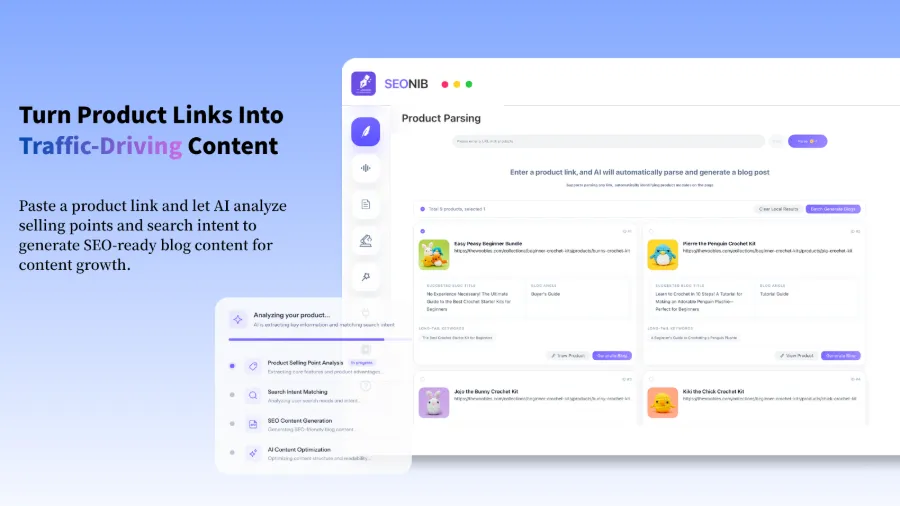
It supports various input sources. Besides direct keyword generation, you can turn product links into intro articles, reference links into blogs, or even social‑media content into formal posts. This means every clue you pull from a competitor can become your own content asset.
For detailed keyword‑input instructions, see the Keyword Blog Writing Guide; for a reference‑link‑to‑blog workflow, check the Reference Link to Blog Guide. Users have also shared a real‑world case of One‑Click Product Page to Blog with SEONIB—worth a look.
Multilingual generation is built‑in, supporting 40 languages. After keyword input, a complete article is produced in about three minutes on average. I used to brew three cups of coffee for a single manual post; now SEONIB does it automatically with just a click.
The video demonstrates the full automated flow from product link to AEO and SEO content, giving a clear visual of the whole workflow.
If you want to dive deeper into every detail of automated content setup, the SEONIB Help Documentation compiles systematic instructions.
Step 4: Set Up Automated Publishing for Everlasting Results
Content generated, now you need to publish it. Manual publishing used to require logging into five back‑ends, copy‑pasting each article, adjusting titles, descriptions, categories, and images—half an hour per post.
SEONIB can directly bind to Shopify, WordPress, Shopline, and other major platforms. After a one‑time binding, generated articles are automatically pushed to the appropriate backend, complete with SEO metadata and product cards.
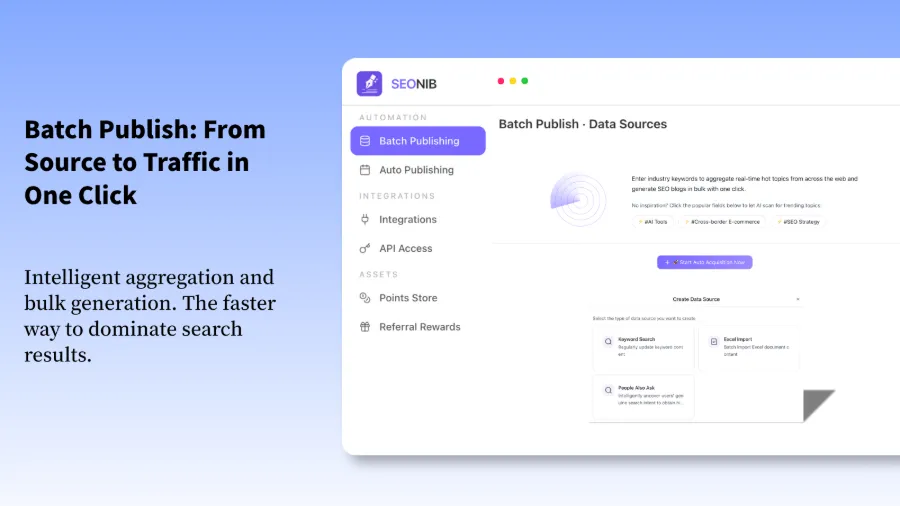
Set a publishing schedule, and the AI will publish at the frequency you specify—daily, weekly, etc. For example, set it to publish seven articles per week; after three months, the domain authority rises noticeably. This isn’t an exaggeration; my own site saw a clear traffic boost after three months of consistent publishing.
The bulk‑publish feature can also handle multiple keywords at once. Queue the 20 keywords you pulled from SimilarWeb, and the system will generate and publish them in order. You only need to glance at the daily log each morning.
For a deeper look at SEONIB’s positioning and mechanics, see the article What Is SEONIB?. If you’re curious about real‑world results, check out the case study A Content Creator’s “Cheat” Record, which documents actual data and lessons from using a similar method.
Frequently Asked Questions (FAQ)
Q1: Is the free version of SimilarWeb sufficient? Can I see keyword data?
The free tier shows a competitor’s overall traffic distribution and top keywords, but the keyword list is limited. If you need more keywords, consider the paid version or cross‑validate with other tools. For my routine competitor screening and content direction, the free version is generally enough.
Q2: When dissecting a competitor, which traffic metric is most important?
Organic search share and paid‑search keyword lists are the most useful. An organic share above 30 % indicates the competitor relies on content for traffic, offering high replicability. Paid‑search keywords directly reveal high‑conversion terms.
Q3: My site only gets a few thousand visits a month—does an automated content tool make sense?
Yes. At low traffic levels, the biggest need is consistent content production to build authority. Automation shines in bulk updates—publishing a few pieces each week leads to noticeable domain authority changes after three months, often more than manual writing.
Q4: Can I directly copy a competitor’s paid‑search keywords?
You can use the keywords as SEO content ideas, but don’t copy the ad copy or bidding strategy verbatim. Paid‑search intent differs from SEO intent; targeting keywords that have both search volume and content space is safer.
Q5: Will automatically generated content be penalized by search engines?
It depends on quality. Publishing raw AI‑generated text without edits carries higher risk. A better approach is to let AI draft, then manually tweak structure, add your own insights and data, and insert brand‑specific information. SEONIB’s generated outlines are fairly complete, and I usually review and adjust a few expressions before publishing.
Share Article